
How Atlanta Became a Hip Hop Capital
From a basement studio to the charts. From OutKast's 1995 Source Awards moment to crunk, trap and Migos, here is how Atlanta grew into one of the most influential cities in hip hop.
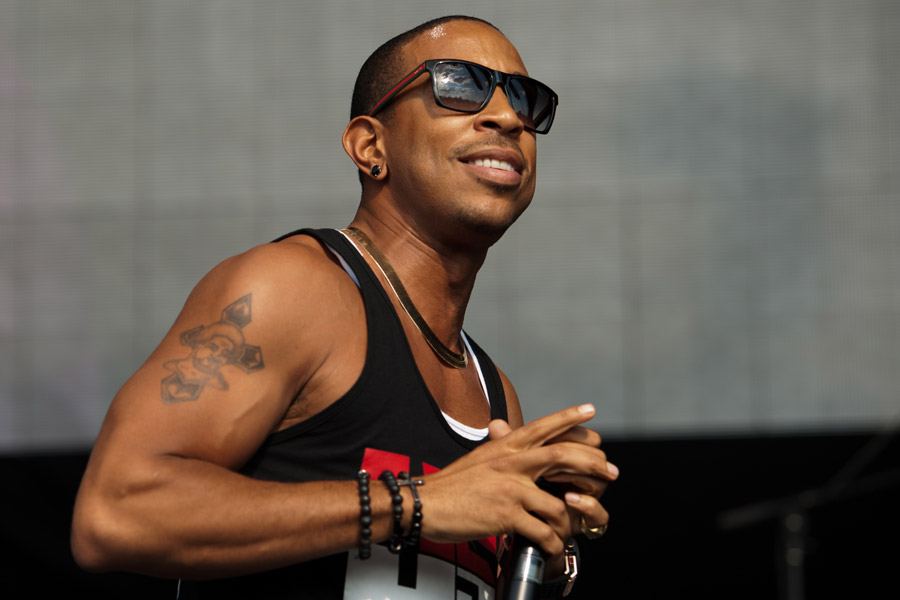
Ludacris at Music Midtown, Atlanta, 2012: Concerttour, CC BY-SA 3.0
The night the South spoke up
On August 3, 1995, two young rappers from Atlanta walked onstage at the Paramount Theater in New York City to accept New Artist of the Year (group) at the Source Awards. The crowd booed. OutKast had arrived with their debut, Southernplayalisticadillacmuzik, a slow-rolling, funk-soaked record that sounded nothing like the East Coast boom bap the room expected.
André 3000 answered with a line that became a rallying cry: "The South got somethin' to say." Looking back, that speech marks the moment Atlanta stopped asking for a seat at the table and started building its own.
A basement called the Dungeon
The sound behind OutKast came from Organized Noize, the production trio of Rico Wade, Ray Murray and Sleepy Brown. They worked out of a basement studio at the home of Wade's mother in East Point, a space everyone simply called the Dungeon. The crew that gathered there became known as the Dungeon Family, with OutKast and Goodie Mob at its core.
Organized Noize produced all of OutKast's 1994 debut and Goodie Mob's 1995 album Soul Food, and their live instruments and church-organ warmth gave Southern rap a musical identity of its own. The circle later helped launch Killer Mike, and Wade's cousin Future got his start in that orbit. OutKast eventually took the whole city with them to the top: Speakerboxxx/The Love Below won Album of the Year at the 2004 Grammys, the first time the award went to a rap group.
Crunk, clubs and crossover hits
Around the turn of the century Atlanta's clubs found a new, louder energy. Lil Jon, an Atlanta party DJ who also worked in A&R for So So Def, led the crunk movement with chanted hooks, booming bass and call-and-response shouts built for packed dance floors. His group's 1996 single "Who U Wit?" helped bring the word crunk into hip hop slang, and 2003's "Get Low" with the Ying Yang Twins climbed to No. 2 on the Hot 100.
At the same time Ludacris, a former DJ at Atlanta's Hot 97.5, broke through with his 2000 major-label debut Back for the First Time. His quick wit and elastic flow made him a radio favorite and one of the city's most recognizable voices worldwide.
Trap and the streaming era
Atlanta's next export was trap, a style built on deep 808 kick drums, rapid-fire hi-hats rolling in double and triple time, and dark, cinematic synths. T.I.'s 2003 album Trap Muzik helped put a name on the sound, and through the 2000s a wave of local rappers and producers sharpened it into a bouncy, hypnotic formula.
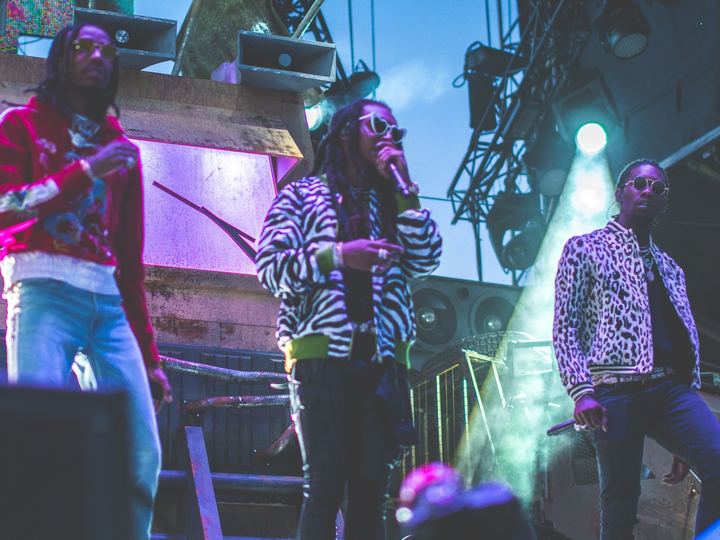
In the 2010s that formula took over the charts. Migos, the trio from the Atlanta suburbs, reached No. 1 on the Billboard Hot 100 in January 2017 with "Bad and Boujee". Future became one of the most influential melodic rappers of his generation, and 21 Savage, raised in Atlanta, has collected four No. 1 albums on the Billboard 200. Trap's drums and hi-hats now echo through pop, R&B and K-pop, proof that the city that was once booed now sets the tempo for music everywhere.
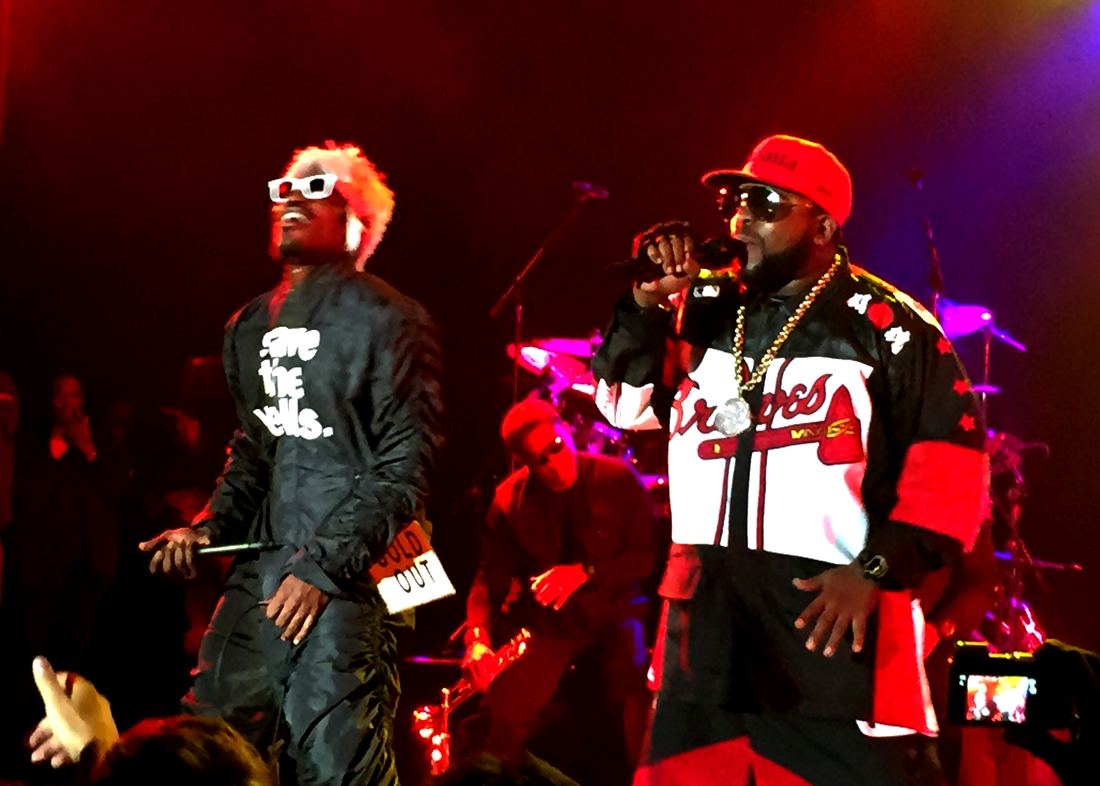
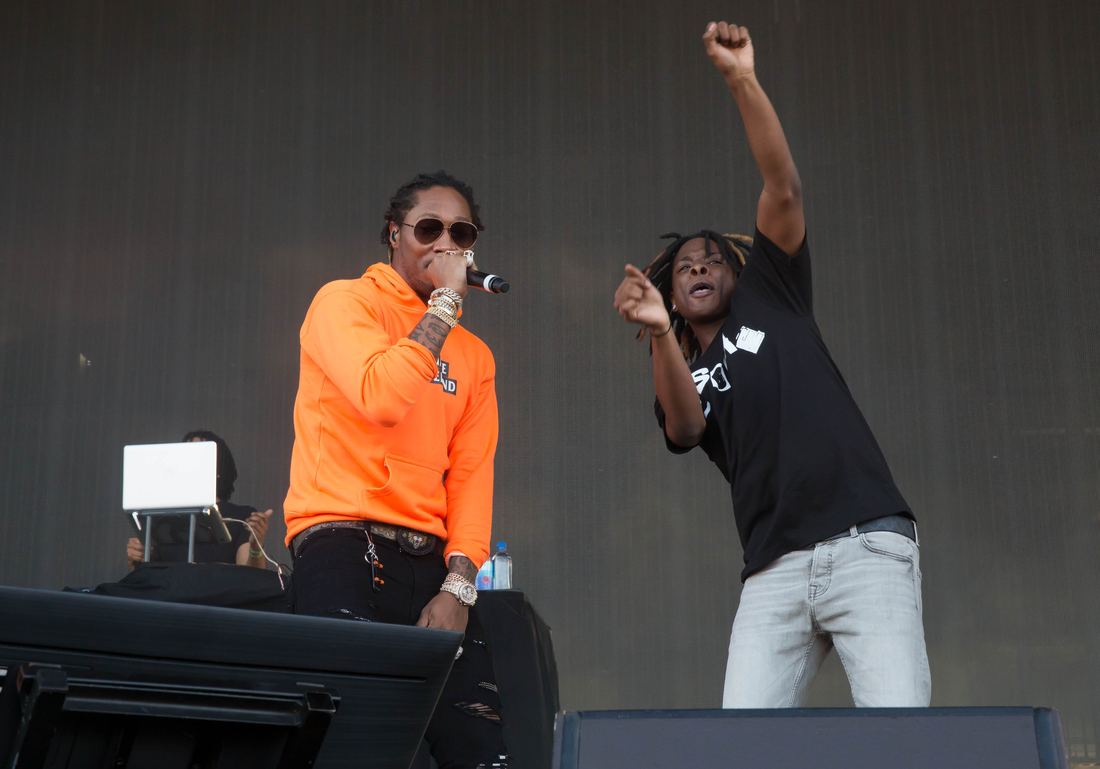
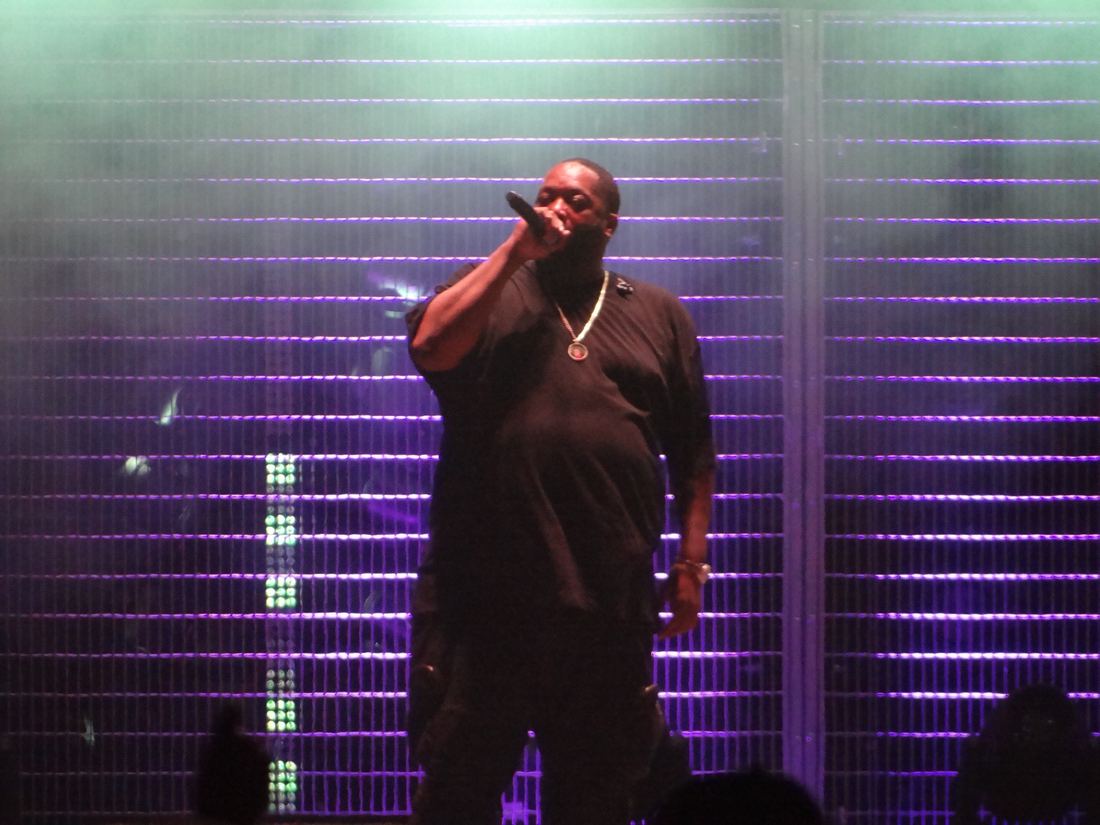
- Wikipedia: 1995 Source Awards
- Stereogum: Rico Wade, Organized Noize/Dungeon Family producer, dead at 52
- The Source: Today in 1995, the 2nd Annual Source Awards makes hip hop history
- Wikipedia: Trap music (hip hop)
- Wikipedia: Ludacris
- Wikipedia: 21 Savage
Facts on this page were checked against these sources.
- Ludacris at Music Midtown, Atlanta, 2012: Concerttour, CC BY-SA 3.0
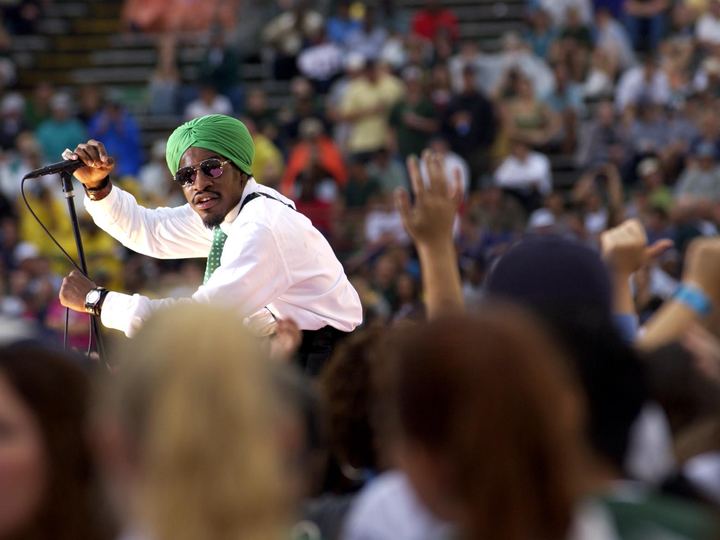
- OutKast on stage in 2014: David Shankbone, CC BY 3.0
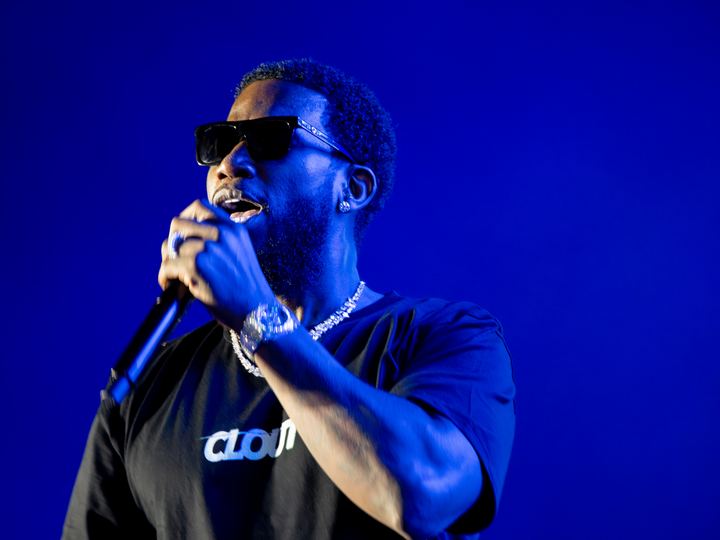
- Future performing in 2018: Bruce from Sydney, Australia, CC BY 2.0
- Killer Mike at Shaky Knees 2021: Thomson200, CC0
Text written by ATL Quality.
← Atlanta Landmarks You Have to SeeOutKast and the Dungeon Family →


.jpg)
.jpg)